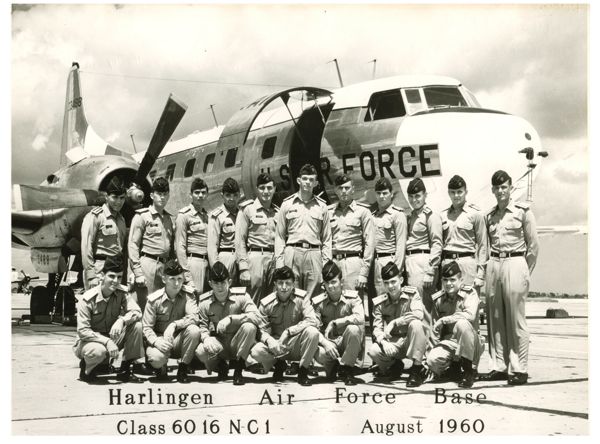
Who Were the Aviation Cadets—and Why Their Story Still Matters
When people think about American aviation history, they often picture famous aircraft or dramatic wartime missions. What’s less understood is how these young men were selected, trained, and transformed into the aviators who made those missions possible.
For much of the 20th century—from the years before World War I through the Cold War—the United States relied on a demanding and highly effective system known as the Flying Cadet, (Later) Aviation Cadet program. It produced pilots, navigators, bombardiers, and observers who would go on to build the air arm of this nation.
Yet today, even though millions of Americans are related to these men, their story is largely unknown.
Boys Turned Into Airmen
The Aviation Cadet program was not simply flight school. It was a structured pipeline designed to meet a national need—to rapidly train disciplined, capable aircrew at a time when aviation technology and global threats were evolving at unprecedented speed.
Cadets entered a system that demanded academic performance, physical endurance, and strict adherence to standards. Training emphasized honor,responsibility, teamwork, and decision-making under pressure long before cadets ever faced operational flying.
Many arrived with little more than determination. As one cadet later explained: “Most of us were not any more than high school graduates, but we wanted to fly more than we wanted to eat.”
That inspiration—paired with discipline—transformed young men into airmen trusted with aircraft, crews, and missions.
More Than Just Pilots
A common misconception is that Aviation Cadets were only pilots. In reality, the program trained multiple aircrew specialties essential to airpower:
Pilots
Navigators
Bombardiers
Observers
Each role required different skills, but all cadets shared the same culture of accountability and teamwork. Training reinforced that aviation was never an individual pursuit. Whether in the cockpit or on the ground, cadets learned that success depended on coordination, trust, and shared responsibility.
That shared identity followed cadets throughout their careers, whether they flew single-engine trainers, multi-engine bombers, or high-performance jets.
A Pipeline That Spanned Generations
The Aviation Cadet program evolved as aviation itself changed. Early cadets trained in biplanes and flew mail routes with minimal navigation equipment. World War II cadets flew combat missions in Europe and the Pacific. Later generations transitioned into jets, flew in Korea and Vietnam, and even helped design and test aircraft that defined modern aviation.
Some cadets spent their lives in military service. Others moved into airline cockpits or test programs. Many did both. Their paths differed, but the foundation was the same: honor, discipline, responsibility, and a commitment to mastery.
The program did more than teach flying skills—it shaped professionals who carried those standards into every part of their lives.
A Legacy That Must Not Be Lost
Decades later, those who lived the Aviation Cadet experience began to recognize that their story was quietly fading from public memory.
One cadet captured that realization with striking clarity: “The point of all of this is to honor the Last of a Breed, the boys turned into men, by this great program, those who built the air arm of this nation.”
Another spoke just as plainly about the challenge of recognition: “Most people today have no idea about us, even though many, many are related to us.”
These statements are not about nostalgia. They are acknowledgments of time passing and of a responsibility to preserve a foundational chapter of American aviation before it is lost to living memory.
Why Preserving This History Matters
The Aviation Cadet program eventually ended as the Air Force shifted toward commissioning paths centered on college degrees, ROTC, and the different military Academy’s. But the program’s legacy remains foundational.
Cadets built the skills, culture, and professionalism that carried U.S. airpower through its most formative decades. Their story connects early experimentation, global war, and technological innovation through the lived experiences of real people.
That is why the Aviation Cadet Museum exist: to preserve these voices, artifacts, and lessons—so they are not lost to time.
Hearing the Voices for Yourself
While this story can be told in words, it comes alive most powerfully through the voices of the cadets themselves. Recorded interviews capture firsthand accounts of training, discipline, combat, humor, hardship, and pride—stories rarely found in textbooks. The book, The Last of a Breed, is a true study of the program by one who lived it.
Those who wish to go deeper can explore recorded Aviation Cadet interviews and video programs produced by the Aviation Cadet Museum, where these men tell their stories in their own words.
Click here to watch the 1997 reunion and hear directly from the cadets.
Carrying the Legacy Forward
Learning who the Aviation Cadets were is the first step toward honoring what they built.
We invite you to visit The Aviation Cadet Museum, share this history with your family, and help ensure that the story of the Aviation Cadets—the boys turned into airmen who built America’s airpower—continues to be told.